











Skip to content

CozyWolf Studio · Learning

Learningthrough play.

I am Johannes. I studied early childhood education (B.A.) and currently work in the educational and therapeutic team of a primary school in Hamburg. On the side I build learning apps for primary school. Two of them run in my courses, and since November 2026 Cosis Baumhaus has also been piloted in a first-year class.I am Johannes, an early childhood educator in Hamburg, and I build learning apps for primary school.

JohannesHamburg

Projects

Two projects from primary school.

I built them for real groups, from first-year classes to the courses in years 3 and 4.

01 · Sign inTap four picture signs

That is how children sign in.

Practice app · years 1 to 4

Cosis Baumhaus

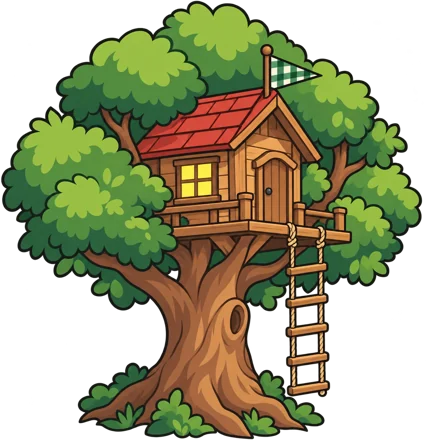
A wolf, a treehouse and four corners, one for each subject.

  • Around 100 topics in maths, German, general studies and English, following the Hamburg curriculum. The tasks are generated fresh each time and get easier or harder without the child having to set anything.
  • Children who are learning German get Cosi’s word box with 16 topics of basic vocabulary. Everything is read aloud, and the articles are colour-coded.
  • Children sign in with four picture signs instead of a name. The teacher sees who is practising what and where someone is unsure, sets tasks or prints worksheets.

StatusBeing piloted in a first-year class since November 2026. Feedback from the teacher goes straight back into the app.

In Cosis Baumhaus

Cosi’s friends

Seven animals accompany the exercises for the first school year, and each has lost its pattern. Correct answers earn food, and bit by bit the pattern returns: 16 spots for Greta, 19 stripes for Zora. Once rescued, they move into Cosi’s forest behind the round window of the tree house, where something new grows for every star.

  • Greta GiraffeHearing first sounds
  • Zora ZebraSyllables
  • Mario MarienkäferQuantities up to 10
  • Schila SchildkrötePlus and minus up to 10
  • Selma SchneckeWriting digits
  • Rudi RabeFinding rhymes
  • Bruno BiberSplitting numbers
01 · TeamBuild your team of heroes

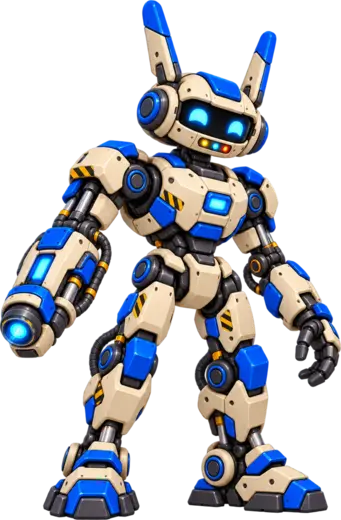
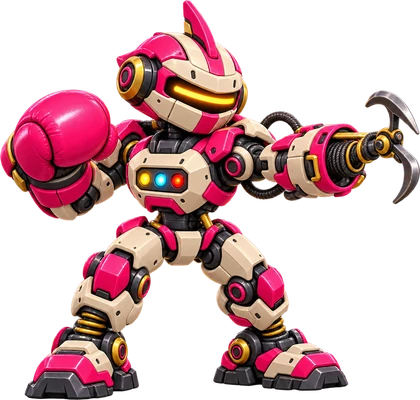
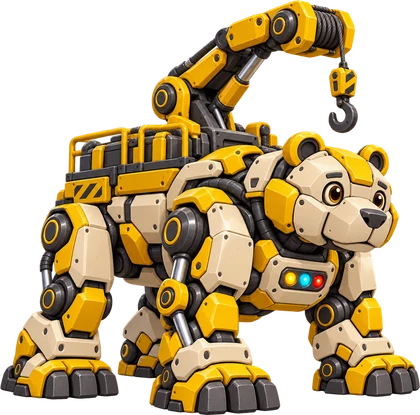
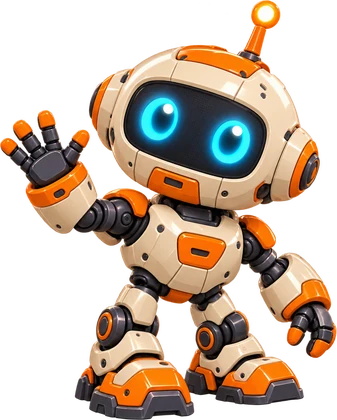
Every child picks a mech and spends six strength points.

Mech adventure · course · years 3/4

Robonauten

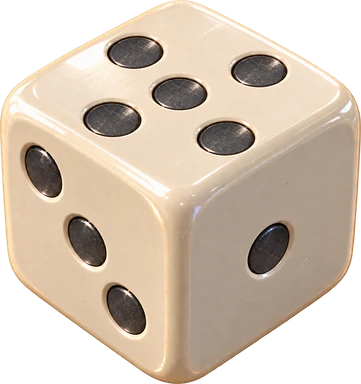
Eight mechs, four worlds and a real die on the table. The team solves the tasks together at the touch board.

  • In the game design course in year 3 the children play as “pilots”: fixed strengths, and every calculation is shown.
  • In the advanced course in year 4 they are “commanders”. They distribute their strength points themselves, invent their own actions with an advantage and a drawback, and set team rules.
  • The game leader has a separate handbook on a second screen. Saved games carry over several lessons.

StatusFour worlds, played with children in the course.

What the children practise in each world

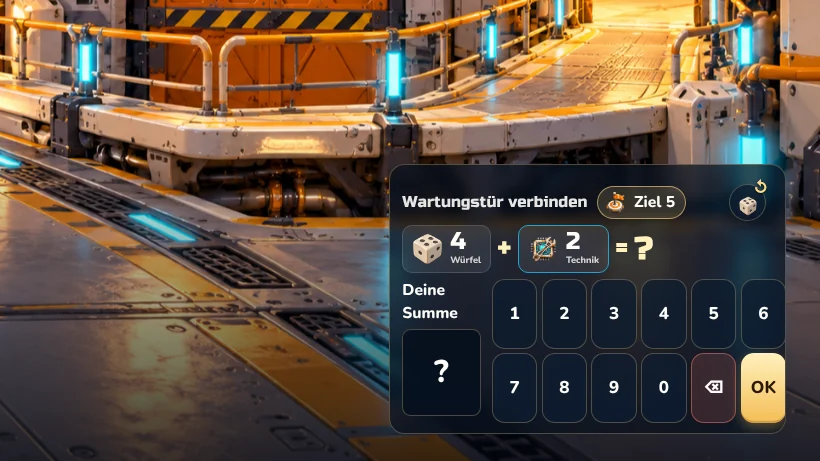
Robonauten, Eisenarena: calculation panel “die 4 plus tech 2” with target number 5 and number keys

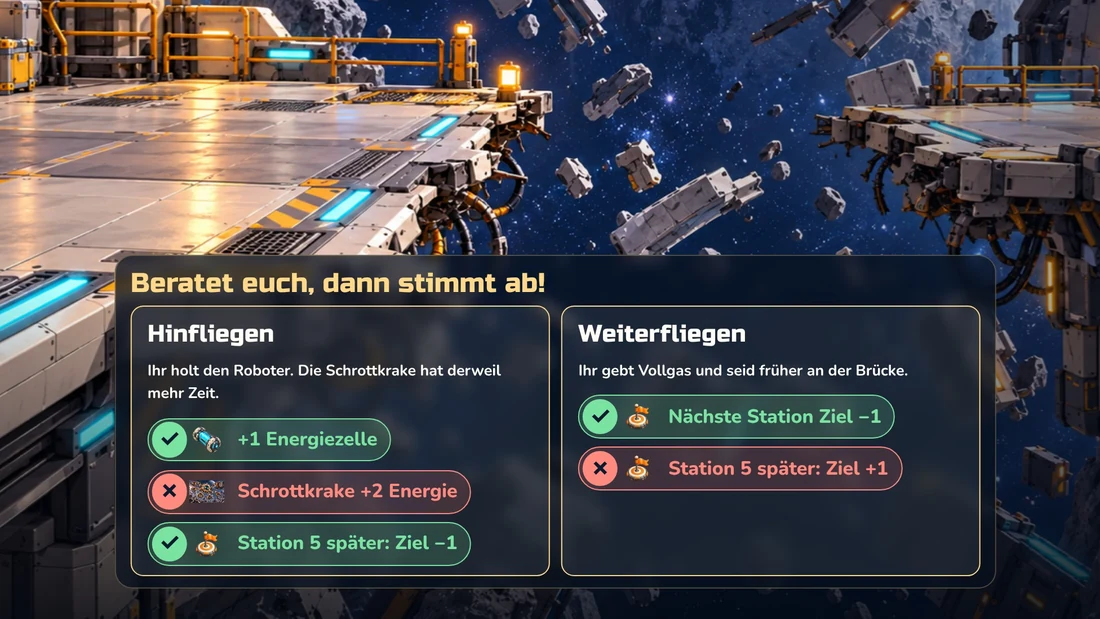
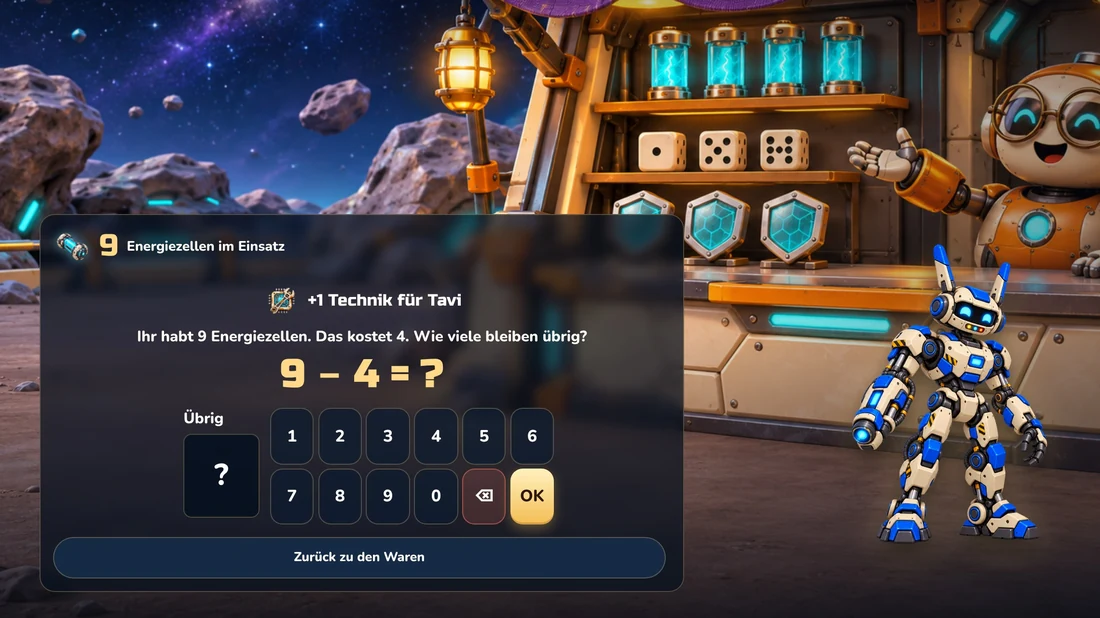
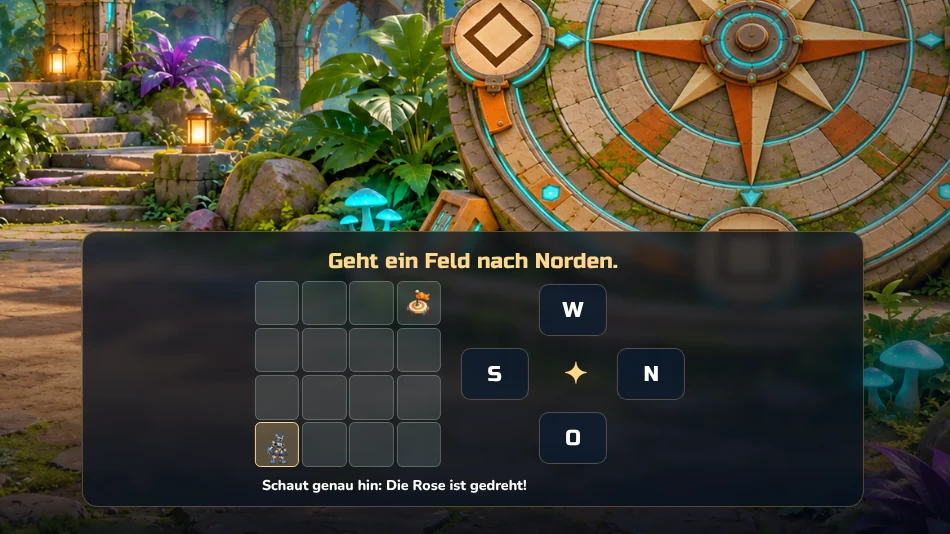
Screens from the game, “commanders” mode (year 4). The game is in German.

How I work

How I build a game

I do not start with the game idea. I start with what the children should learn and what they can already do at that age. Only then do I look for a game rule that can carry it: collecting together, rolling dice and calculating, voting on rules.

In my games the group is rewarded, not the fastest child. Those who need longer still help Greta get her spots back.

I use ChatGPT for the pictures and Claude for the code. What goes into a game and what children get to see is my decision.

In front of groups, too

Outside school I develop my own quiz formats for bars and company events in Hamburg: CozyQuiz for smaller groups, CrowdQuiz for large ones.

To the quiz nights

Contact

I would be glad to hear from you.

hallo@cozywolf.de
JohannesJohannesEarly childhood education (B.A.), Hamburg